Health and Safety Policy — Flat Clearance Seven Kings
Flat Clearance Seven Kings is committed to providing a safe, healthy and compliant working environment across all flat clearance and rubbish removal activities. This policy sets out the principles, responsibilities and systems we maintain to reduce risk, protect workers, residents and visitors, and to deliver reliable waste clearance and junk removal services with minimal harm. Safety and compliance underpin every clearance, whether removing bulky items, garden waste, or general household rubbish.Scope and purpose: This policy applies to all employees, contractors and operatives engaged by our clearance company for flat clearance, waste collection, and related rubbish collection services. It covers site preparations, manual handling, vehicle loading, hazardous materials identification, and proper disposal pathways. Our aim is to prevent incidents, avoid environmental harm and ensure that every clearance meets industry best practices.
 Accountability and roles: Senior management retain overall responsibility for health and safety strategy and resource allocation. Supervisors and team leaders are responsible for risk assessments on each job, ensuring that operatives have the right tools and training, and confirming that appropriate personal protective equipment (PPE) is used. All operatives must report hazards, near-misses and incidents promptly and follow safe systems of work. Everyone involved in a clearance has a duty to cooperate with safety procedures and to stop work if a situation becomes unsafe.
Risk assessment and safe work methods
Before every flat clearance or rubbish removal job we conduct a dynamic risk assessment that considers access limitations, staircases, potential sharps, electrical hazards, asbestos suspicion and the need for mechanical aids. Controls may include job-specific PPE, two-person lifting, use of trolleys or hoists, and clear segregation of recyclable, hazardous and non-recyclable waste. Where hazardous materials are suspected, work will be paused and specialist disposal arranged. Training and competence: All team members receive induction training on manual handling, safe lifting techniques, correct use of PPE and awareness of hazardous waste types. Operatives undertake refresher training and toolbox talks that address seasonal risks and common scenarios encountered during house and flat clearance operations. We maintain records of training and allocate experienced staff to supervise complex clearances.
We maintain a clear set of emergency procedures, including steps for dealing with injuries, exposure to hazardous substances and vehicle incidents. Emergency protocols are rehearsed and available to all staff. In addition, our PPE policy ensures everyone has access to gloves, safety boots, high-visibility clothing, eye protection and appropriate respiratory protection when dust or fumes present a risk.
Operational controls and equipment
Equipment used on-site is inspected regularly and maintained to a high standard. Vehicles used for rubbish removal and waste transfer are checked daily, and lifting aids such as sack trucks, ramps and furniture sliders are provided to reduce manual handling injuries. We enforce safe loading and securing practices to prevent shifting loads during transit. Correct equipment selection is a key factor in preventing musculoskeletal injuries. Monitoring, incident reporting and continuous improvement: We operate a reporting system for accidents, near-misses and unsafe conditions. Incidents are investigated, with outcomes communicated back to teams and preventative measures implemented. Regular audits and spot checks ensure compliance with this policy and help identify opportunities for improvement. Our approach is proactive: we analyse trends and update procedures to reduce recurring hazards associated with clearance work.
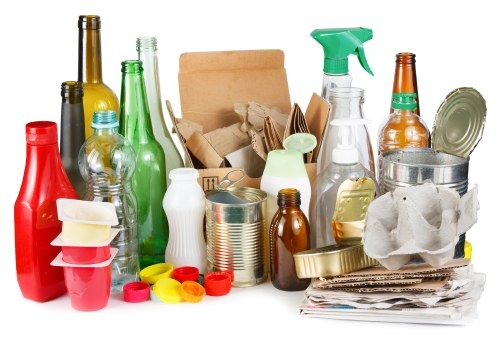 Environmental and waste handling responsibilities: Flat clearance operations must be carried out with attention to environmental protection. Waste segregation and selective disposal are mandatory: recyclable materials are separated from general rubbish; hazardous items are isolated and disposed of by licensed contractors. Our crews are trained to recognise common controlled wastes and to follow safe containment and transfer procedures to minimise pollution and public nuisance.
Key commitments:
We commit to:
- Maintaining a safe working system for every clearance job and rubbish removal task.
- Providing suitable training, supervision and equipment to all staff and contractors.
- Ensuring proper segregation and lawful disposal of waste and hazardous materials.
- Actively monitoring, reviewing and improving health and safety performance.
- Encouraging reporting and learning from incidents and near-misses without blame.
Responsibilities for compliance: Managers will ensure risk assessments are completed and control measures implemented. Team leaders will verify that operatives follow safe working practices. Individual workers must take reasonable care of their own health and safety and that of others affected by their actions during waste removal, clearance, or rubbish collection tasks.
Review and communication: This policy is reviewed regularly and updated as industry standards and operational practices evolve. Changes are communicated to all staff and applied across our flat clearance and waste management activities. We ensure that everyone understands their role in delivering a safe and efficient clearance service.
Conclusion: Flat Clearance Seven Kings maintains a considered, practical and enforceable health and safety policy tailored to the risks inherent in flat clearance, rubbish removal and waste transfer services. By combining clear accountability, competent staff, appropriate equipment and robust procedures, we aim to protect people, property and the environment while delivering a dependable clearance service.