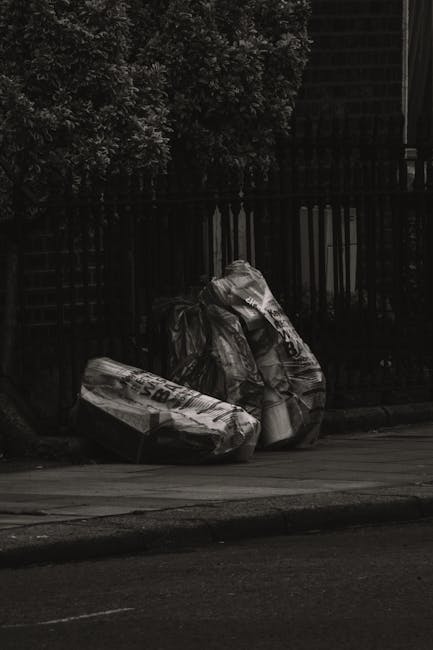
Seven Kings Park bulky rubbish collection and clearance guide
If you are staring at an old wardrobe in the hallway, a broken sofa in the back room, or a pile of unwanted bits that has quietly taken over your garden, you are in the right place. This Seven Kings Park bulky rubbish collection and clearance guide explains how bulky waste removal works, what to expect, and how to avoid the usual headaches that come with getting large items out of a property without drama.
Truth be told, bulky rubbish is rarely just "one item". It tends to arrive in clusters: a mattress, a fridge that no longer hums, a few bags of oddments, maybe some garden clutter or renovation offcuts. The job is not only about lifting. It is about planning, safe access, sorting, reuse where possible, and choosing the right clearance approach for your space and budget. Let's make that simple.
Why Seven Kings Park bulky rubbish collection and clearance guide Matters
Bulky waste has a way of getting in the way fast. One large item can make a room awkward to use; a few large items can make it feel like the whole property is on pause. In Seven Kings Park, where homes, flats, garages and shared access spaces can all come with their own quirks, getting a sensible clearance plan matters more than people first think.
There are a few reasons this guide is worth reading before you book anything. First, bulky rubbish is often heavier, awkwardly shaped, or more fragile than regular household waste. Second, moving it safely can involve stairs, narrow corridors, tight parking, or limited lift access. And third, the best outcome is not always "take everything away as quickly as possible". Sometimes the better result is careful sorting, reuse, donation where appropriate, and disposal that keeps the job tidy and efficient.
In our experience, the biggest difference comes from preparation. A sofa that has already been measured against the stairwell is a very different task from a sofa that gets discovered on the day and suddenly blocks the landing. Little details like that matter. They really do.
If you are also dealing with mixed waste rather than a single item, it can help to understand the wider service options too. Depending on what you are clearing, the most relevant support may be a full waste removal service, a focused house clearance, or even something more specific such as furniture disposal.
How Seven Kings Park bulky rubbish collection and clearance guide Works
At a practical level, bulky rubbish collection is usually a straightforward process, but there are a few moving parts behind the scenes. A good clearance job normally begins with identifying what needs removing, checking access, and deciding whether the items can be handled in one visit or need a more staged approach.
The process usually looks something like this:
- Item review: You list the bulky items, rooms involved, and any special concerns such as disassembly, fragile surfaces, or restricted access.
- Access check: The team considers stairs, parking, lift use, shared entrances, and whether large items need to be broken down before removal.
- Quotation or estimate: Pricing is commonly shaped by item volume, labour, access difficulty, and disposal requirements. For a better understanding of how pricing is framed, see pricing and quotes.
- Collection day: Items are removed carefully, with attention to safety, property protection, and sorting for reuse or recycling where appropriate.
- Sorting and disposal: Materials are separated so recyclable or reusable items are not treated as mixed waste if that can be avoided.
That sounds simple enough, but the quality of the experience depends on the details. A scratched wall at the end of a job is one of those annoyingly small problems that becomes a big one very quickly. A professional approach should feel calm, methodical and tidy. Not rushed, not chaotic.
For some clearances, especially larger or mixed loads, it helps to cross-check related pages such as home clearance, garage clearance, or loft clearance. Those services often overlap in real life because clutter rarely stays in one neat category.
Key Benefits and Practical Advantages
The obvious benefit of bulky rubbish collection is simple: you get your space back. But there are more practical wins than that, and they matter just as much.
- Safer movement: Large or broken items can cause trips, strains, and property damage if moved without enough care.
- Less stress: You do not need to negotiate who borrows a van, who lifts what, or where the old mattress ends up.
- Better organisation: Once bulky items are out, it is easier to clean, decorate, sell, rent, or simply live comfortably.
- Cleaner sorting: A proper clearance can separate furniture, appliances, and recyclable materials more effectively than a hurried self-clearance.
- More predictable results: When the plan is clear, the day tends to run smoother. A pleasant surprise for once.
There is also a subtle but real benefit in knowing the job has been handled properly. If you have ever stood in a room after a clearance and thought, "Right, I can breathe again," you will know the feeling. It is not just empty space. It is mental space too.
For larger furniture jobs, browsing furniture clearance and mattress and sofa disposal may help you decide whether your bulky items are best handled as a single task or split into categories.
Who This Is For and When It Makes Sense
This guide is useful for homeowners, tenants, landlords, letting agents, local businesses, and anyone who has one or more large items that are too awkward for normal bins or a quick car run to the tip. It is especially helpful if the waste is sitting in a property that needs to be handed over, refurbished, sold, or re-let.
Typical situations include:
- clearing a flat after a move-out
- removing a worn-out sofa or bed frame
- emptying a garage before renovation
- dealing with garden furniture, sheds, or old outdoor clutter
- making room after a house refresh or declutter
- handling bulky office furniture or storage units
If you are managing a commercial space, the relevant route may be closer to business waste removal or office clearance. The principle is similar, but the practicalities can be very different. Timing, confidentiality, access and health-and-safety planning all tend to matter a little more in workplaces.
To be fair, some people only realise they need help after trying to move a wardrobe and discovering it is wedged in the stairwell. That is usually the moment when a planned clearance starts sounding a lot more attractive.
Step-by-Step Guidance
If you want the smoothest possible bulky rubbish collection in Seven Kings Park, the job usually goes better when you approach it in stages. Here is a practical way to do it.
1. Identify every item clearly
Write down each large item rather than saying "a bit of furniture" or "some junk". The more specific you are, the easier it is to estimate time, labour, and vehicle space. Include dimensions if an item is unusually large, heavy, or awkward.
2. Separate what stays from what goes
This sounds obvious, but it is where many clearances go sideways. Put keep items in another room if you can. If not, at least group the items you want removed into one clear area. It reduces confusion, and yes, it saves time.
3. Check access before collection day
Measure doorways, note stair turns, and think about parking. If the item is in a loft, basement, or rear garden, say so early. A good team can plan for that. Surprises on arrival are rarely welcome, especially when a double mattress is involved.
4. Flag special items early
Appliances, confidential materials, heavy items, or anything potentially hazardous should be identified before the job begins. If you have specialist items, look at relevant support such as fridge and appliance removal or hazardous waste disposal.
5. Choose the right clearance method
Some jobs suit a single bulky item collection. Others are better handled as part of a wider clearance. A half-empty garage, for example, may be better treated as a garage clearance rather than a one-off item lift. Matching the method to the real job saves money and frustration.
6. Prepare the space
Move small loose items away, clear a path, protect corners if needed, and make sure pets or children are not in the way. A five-minute tidy-up can make a huge difference on the day.
7. Ask about sorting and recycling
A sensible clearance should not treat every material the same way. Furniture, metal, wood, textiles and appliances may all need different handling. If sustainability matters to you, the page on recycling and sustainability is worth a look.
Expert Tips for Better Results
Here is where small decisions pay off. A bit of planning usually beats last-minute effort, and it often costs less in stress too.
- Take photos of the items and access route. A few clear pictures can prevent misunderstandings and help shape a more accurate quote.
- Disassemble what you safely can. Flat-pack furniture, bed frames, and shelving systems are often easier to move in pieces.
- Keep screws and fittings in a labelled bag. If you are not sure yet whether an item is going, hold the parts together. Future you will be grateful.
- Group similar materials together. It helps with sorting and may make reuse or recycling simpler.
- Be honest about the access. A narrow stairwell is not a small detail. It can change the whole approach.
- Choose a team that talks plainly. Good communication usually tells you a lot about how the job will run.
One small but useful habit: keep a note of anything that may need extra care, such as antique furniture, glass-fronted cabinets, or damp items that smell a bit stale. There is nothing dramatic about that. It is just sensible.
If your bulky items are mixed with normal waste, you may want to compare your options with waste removal rather than trying to force everything into a single category. Sometimes the cleanest solution is also the simplest one.
Common Mistakes to Avoid
Most clearance problems are avoidable. That is the good news. The less good news is that people keep making the same mistakes, usually because they underestimate how awkward bulky rubbish can be.
- Leaving everything until the last minute: This often leads to poor access, rushed decisions, and higher stress.
- Underestimating size and weight: A wardrobe that "looked fine online" can suddenly become a stairwell problem.
- Mixing keep and remove items: It creates confusion and increases the chance of something important going out by mistake.
- Forgetting about parking or loading space: In residential streets, that can be the difference between an easy job and a frustrating one.
- Ignoring specialist disposal needs: Items like appliances, mattresses, or confidential documents may need particular handling.
- Assuming everything is recyclable in the same way: Different materials need different routes. Simple, but easy to forget.
And one more, because it happens a lot: people sometimes think the hardest part is the lift itself. It is not always. The hardest part is often the first ten minutes, when nobody has agreed what needs moving and where it all goes. Once that bit is sorted, the rest usually feels much easier.
Tools, Resources and Recommendations
You do not need a full toolkit to organise bulky rubbish clearance, but a few practical items help. Nothing fancy. Just the sort of things that make life smoother on a wet Tuesday morning when a sofa has to fit through a doorway.
- Measuring tape: Useful for checking doors, hallways, stair turns and item dimensions.
- Masking tape or labels: Handy for marking items to keep or remove.
- Heavy-duty gloves: Good for handling rough edges, splinters or dusty items.
- Phone camera: Take photos of items, access points and anything unusual.
- Protective covers or blankets: Helpful when moving furniture through tight areas.
- Clear bag or box for loose fixings: Stops small parts disappearing into the void, which they love to do.
For bigger jobs, it helps to understand the sort of clearance you are dealing with before you book. A home full of mixed belongings is different from a storage room, and a renovation pile is different again. The supporting pages on home clearance, flat clearance, and builders waste clearance can help you frame the job more accurately.
If you need the reassurance of dealing with an established local provider, it is sensible to review pages such as about us, insurance and safety, and health and safety policy. Those details matter more than people think, especially when furniture has to be moved through shared spaces.
Law, Compliance, Standards and Best Practice
When you are dealing with bulky rubbish in the UK, the main thing is to make sure waste is handled responsibly and passed to someone who is set up to remove it properly. You do not need to be a legal expert, but you should expect sensible documentation, careful handling, and lawful disposal routes.
Best practice usually means the following:
- items are assessed before removal where possible
- hazardous or specialist materials are separated rather than bundled together
- reusable items are treated differently from general waste when practical
- workers use safe lifting and access methods
- the customer understands what is included and what is not
If confidential materials are involved, something like confidential shredding may be relevant. If you are clearing an appliance that may contain refrigerant or other special components, a dedicated route such as fridge and appliance removal is often more appropriate.
For customers, the best rule is simple: ask questions early, be clear about item types, and do not guess if something might need special handling. A careful provider will welcome that. It is usually the rushed, vague process that causes issues later.
Options, Methods and Comparison Table
There is no single best method for every bulky waste job. The right choice depends on volume, item type, access, and urgency. Here is a practical comparison to help you think it through.
| Method | Best for | Strengths | Trade-offs |
|---|---|---|---|
| Single bulky item collection | One or two large items such as a sofa, bed, or wardrobe | Simple, quick, often efficient | Less suitable if the property also has mixed clutter |
| Room-by-room clearance | Flats, houses, lofts, garages, or storage spaces with several items | Organised, less chaotic, easier to sort | Takes more planning than a one-off lift |
| Specialist item disposal | Appliances, mattresses, confidential material, or unusual waste | More suitable handling, better compliance | May require separate booking or description |
| General waste removal | Mixed non-hazardous waste across the property | Flexible and broad | Not always the best option for large furniture-only jobs |
If you are trying to decide between clearance and container-based options, it can also help to review what can go in a skip. Sometimes the answer is obvious once you see the differences side by side. Other times, not so much.
Case Study or Real-World Example
Picture a typical Seven Kings Park flat: second floor, narrow stairwell, one old sofa, a wardrobe, a mattress and a small pile of broken storage items. Nothing dramatic, just the kind of load that becomes awkward the moment you try to manoeuvre it on your own.
In a case like that, the first useful step is not muscle. It is mapping. Measure the furniture, check where the tight turns are, and decide whether the wardrobe can be taken apart safely. Often, once the back panel or doors come off, the whole job becomes far more manageable. Without that small adjustment, the item may need a more careful carry or a different exit route.
What tends to work best in these situations is a steady, methodical approach: protect walls, remove loose items from the path, keep the hallway clear, and move each item in the right order. Sofa first? Sometimes. Wardrobe first? Sometimes not. It depends on the route. There is no prize for guessing incorrectly and having to reverse the plan halfway through.
The real win is that the flat feels usable again by the end of the visit. The hallway opens up. The room breathes. You stop walking around the same object and start planning what you actually want the space to be. That bit matters more than people admit.
Practical Checklist
Use this checklist before booking or arranging bulky rubbish collection in Seven Kings Park.
- List every bulky item that needs removing
- Separate items to keep from items to clear
- Measure large furniture and note any tight access points
- Check stairways, lifts, door frames and parking access
- Identify any special items such as fridges, mattresses or confidential materials
- Take photos if the job is more than a couple of items
- Confirm whether the job is a single item removal or a full clearance
- Ask about recycling, reuse and responsible disposal
- Make sure pets and children are kept clear on the day
- Have a contact number ready in case the team needs clarification
Expert summary: the smoother bulky rubbish clearance usually comes down to three things - clear information, good access planning, and choosing the right type of removal for the job. If you get those right, most of the stress disappears before the first item is lifted.
Get a free quote today and see how much you can save.
Conclusion
A good bulky rubbish collection is not just about getting rid of large items. It is about doing it safely, cleanly and with enough planning that the day feels manageable rather than chaotic. That is especially true in Seven Kings Park, where access, property layouts and time pressures can all shape the final result.
If you remember nothing else from this guide, remember this: measure first, separate clearly, mention anything unusual, and choose the clearance method that actually fits the job. It is a small bit of effort up front, but it saves a lot of bother later. And honestly, that is usually the better trade.
When you are ready, a clear plan and the right support can turn an overcrowded space into something calm and usable again. That is a good feeling. A very good one.
Frequently Asked Questions
What counts as bulky rubbish in Seven Kings Park?
Bulky rubbish usually means large items that are too awkward for standard household bins, such as sofas, mattresses, wardrobes, tables, appliances, or large garden items. If it is heavy, oversized, or difficult to move safely by hand, it probably counts.
Do I need to separate bulky items from other waste?
Yes, where possible. Keeping bulky items separate from small mixed waste makes the job cleaner and easier to quote. It also helps with sorting, recycling and access planning.
Is bulky rubbish collection better than hiring a skip?
It depends on the waste type and the space you have. A skip can suit mixed waste if you have room for it, but bulky item collection is often better for furniture, appliances and awkward items that need lifting out of a property. If you are unsure, the page on what can go in a skip may help you compare the options.
How do I prepare for a bulky rubbish collection?
List the items, clear a path, measure access points, and separate items you want to keep. Photos are useful too, especially if the job involves tight stairs or several large items.
Can mattresses and sofas be taken away together?
Usually yes, and it often makes sense to remove them together if they are both being cleared. A specific service such as mattress and sofa disposal is useful when those are the main items.
What if my bulky item is upstairs or in a loft?
That is common, but it can affect timing and labour. Tell the collector in advance so they can plan for stairs, turns, head height and any disassembly that might be needed.
Are fridges and other appliances treated differently?
Often, yes. Appliances can need more careful handling than ordinary furniture, so a dedicated route such as fridge and appliance removal is usually the safer option.
What should I ask before booking a clearance?
Ask what is included, how pricing is worked out, whether access affects the job, and how items are sorted for recycling or disposal. If you want to understand pricing in more detail, see pricing and quotes.
Can bulky rubbish collection include furniture from a whole property?
Yes. If the job involves multiple rooms or a larger load, a broader service like house clearance or flat clearance may be more appropriate than a single-item pickup.
What happens to items that can still be reused?
Where practical, reusable items may be separated from general waste. Not every item can be reused, of course, but it is sensible to sort things properly rather than sending everything down the same route.
Do I need a specialist service for garden or garage clutter?
If the bulky waste is mostly in one area, yes, a focused service is often better. For example, a garden clearance or garage clearance can be a cleaner fit than a general removal job.
How do I know if my items are hazardous or need special handling?
If an item contains chemicals, refrigerants, sharp waste, or anything you are unsure about, treat it as specialist until confirmed otherwise. The safest route is to ask before collection and avoid mixing it with normal bulky rubbish. If something feels a bit off, it probably deserves a second look.
Where can I learn more about the company behind the service?
You can review the about us page, check the insurance and safety information, and read the health and safety policy for extra reassurance before booking.