Ilford High Road Commercial Rubbish Clearance for Shops: A Practical Guide for Busy Retailers
If you run a shop on Ilford High Road, you already know how quickly waste builds up. Broken display units, cardboard, packaging, old stock, back-room clutter, and the odd bulky item can make a small retail space feel cramped fast. Ilford High Road commercial rubbish clearance for shops is about clearing that mess safely, quickly, and with as little disruption to trading as possible.
That sounds simple enough. In real life, it is rarely just "put it all in a pile and take it away." You have staff to think about, customers coming and going, limited storage, and probably not much room at the back of the premises either. This guide walks through how shop clearance works, what good service looks like, what to avoid, and how to plan it properly so your business stays tidy and compliant without the stress.
One more thing: if your waste includes mixed items, confidential material, appliances, or anything awkward to move, the details matter. Quite a lot, actually.
Why Ilford High Road Commercial Rubbish Clearance for Shops Matters
Retail businesses live and die by presentation. A clean shop floor, a clear stock room, and a tidy delivery area make a much bigger difference than most people expect. When rubbish starts to creep in, it affects more than appearances. It can get in the way of staff movement, make stocking slower, and create a general feeling of clutter that customers pick up on straight away.
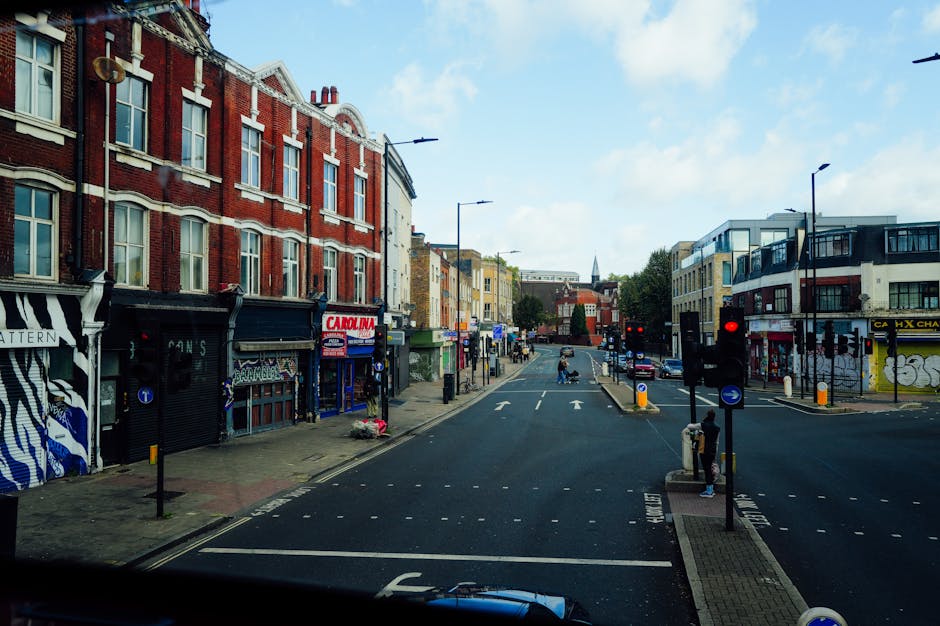
On a busy street like Ilford High Road, the practical side matters too. Shops often have tighter access, busier pavements, shared service entrances, and less patience for long disruptions. If waste is left sitting outside or in an awkward doorway, it can create avoidable problems with neighbours, staff safety, and even trading confidence. Nobody wants to step over a broken shelf panel at 8:45 in the morning before the first customer has arrived.
There is also the simple reality of business waste duty. Retailers are expected to handle waste properly, keep it secure, and make sure it ends up with the right carrier and at the right facility. A professional clearance helps take that burden off your hands, especially during busy periods, refits, stock changes, or end-of-tenancy cleanouts.
Expert summary: For shops, rubbish clearance is not just about tidiness. It is a trading issue, a safety issue, and a time-saving issue all at once. The best results usually come from planning the clearance around opening hours, access, and the exact mix of waste on site.
How Ilford High Road Commercial Rubbish Clearance for Shops Works
In a typical shop clearance, the process starts with a clear description of what needs removing. That could be bagged general waste, broken shop fittings, old shelving, packaging waste, furniture, damaged appliances, or mixed refuse from a back room or storeroom. The more specific you can be, the better the plan.
From there, a clearance team normally assesses the job size, access, and any special handling needs. A small high-street shop with a rear alley is very different from a unit with stair access, narrow doors, or no parking close by. That is why a proper job plan beats guesswork every time.
On the day, the team usually arrives with the right vehicle, labour, and protective equipment. Items are removed, loaded, and sorted for disposal or recycling where possible. If there are materials that need special handling, such as appliances or anything potentially hazardous, those are separated and treated appropriately. If there is bulky waste, the team may dismantle it first to move it safely. It is not glamorous work, but it saves a lot of hassle.
For many shop owners, the best approach is to combine routine business waste handling with occasional larger clearances. You can find more about ongoing disposal support through business waste removal and general waste removal services, especially if your shop generates a regular stream of packaging or back-of-house waste.
Key Benefits and Practical Advantages
The main benefit is obvious: you get space back. But there is more to it than that.
- Cleaner trading space: A tidy shop feels more professional and less cramped.
- Safer staff movement: Fewer trip hazards around stockrooms, corridors, and entrances.
- Faster turnaround: Useful when changing displays, moving stock, or preparing for a refit.
- Less disruption: A good clearance is planned around your business hours.
- Better waste separation: Recyclable materials can often be sorted out more effectively.
- Reduced pressure on staff: Your team can focus on customers instead of hauling bins and boxes around.
There is also a reputational angle. Customers notice the back-of-house effect more than you might think. If you carry stock through a cluttered corridor or pile rubbish near the service door, the feel of the whole place changes. Not dramatically, maybe, but enough.
For some retailers, the biggest advantage is flexibility. A clearance can be arranged around a delivery day, after closing time, or before a refresh. If your unit needs a fuller strip-out, services like office clearance and builders waste clearance may also be relevant if your shop is being refitted or renovated.
Who This Is For and When It Makes Sense
This kind of service is useful for a wide range of shops, not just large retailers. In fact, smaller premises often benefit the most because they have the least storage room and the least tolerance for mess.
- Independent retailers clearing stock rooms or old fixtures
- Convenience stores dealing with damaged packaging, shelving, and surplus items
- Salons and beauty shops replacing furniture or treatment-room equipment
- Cafes and takeaways removing old appliances, seating, or storage items
- Clothes shops clearing packaging, mannequins, rails, and display waste
- Corner shops and mini-markets with limited back-room space
- Shops undergoing a refit or end-of-lease handover
It also makes sense when waste is building up faster than your usual bins can handle. That happens more often than people admit. A seasonal changeover, a new delivery run, a burst pipe, a stock purge, a broken freezer, and suddenly there is stuff everywhere. You look at it and think: right, this needs sorting properly.
If your clearance includes old furniture, display units, or broken counters, you may want to explore furniture clearance or furniture disposal. For heavier bulky items, fridge and appliance removal can be especially useful.
Step-by-Step Guidance
If you want the process to go smoothly, it helps to think ahead. Here is a practical way to manage it.
- List everything that needs removing. Separate general waste, recyclables, bulky items, electricals, and anything that might need special handling.
- Check access points. Note rear lanes, stairwells, loading bays, timed access windows, or parking restrictions.
- Measure the awkward items. If a shelf, counter, or appliance is too large for a doorway, say so in advance.
- Decide when the clearance should happen. Early morning, after closing, or during a quiet trading window usually works best.
- Move sensitive or valuable stock first. It sounds obvious, but it saves embarrassment later.
- Ask how waste will be sorted. Good operators should separate recyclable material where possible.
- Confirm pricing and scope. Make sure the quote reflects the volume, access, and item types.
- Clear the route. A few minutes spent moving boxes out of the way can save half an hour later.
A small, practical tip: stand in the shop and walk the route from the back room to the exit before the team arrives. You will spot the tight corners and low shelves immediately. It takes two minutes, saves ten. Maybe more.
Expert Tips for Better Results
After plenty of real-world clearances, a few patterns become obvious.
First, separate waste before the team arrives. Even a rough split between cardboard, reusable fixtures, and mixed rubbish makes the job faster. It also helps with recycling and cost control.
Second, be honest about access. If the only route out is through a cramped stockroom or a shared entrance, say so. Surprises at the door usually slow everything down.
Third, think about opening hours. Some shops can tolerate a daytime clearance; others cannot. If customers are in and out constantly, book around quieter periods. The shop floor matters, but so does the customer experience.
Fourth, protect floors and walls. If you have a freshly cleaned entrance or a narrow painted corridor, put down basic protection first. A trolley bump is a tiny thing until it leaves a mark.
Fifth, plan for the awkward extras. Old stock cages, broken POS fixtures, damaged mirrors, and odd bits of wiring can turn a simple job into a fiddly one. Mention them upfront.
Sixth, keep an eye on confidentiality. Shops often hold till rolls, customer paperwork, price tags, or printed records. If you have documents that need secure destruction, confidential shredding is worth considering.
Seventh, use the clearance as a reset. A shop clear-out is often the easiest moment to reorganise stock flow, improve storage, and make the back room work harder for you. Not the most exciting task, granted. But effective.
Common Mistakes to Avoid
Most problems during commercial rubbish clearance are avoidable. That is the good news. The less good news is that they are often only obvious after the van has turned up.
- Leaving waste mixed together: It slows the job and can complicate disposal.
- Underestimating volume: What looks like "a few bags" can become a full clearance once you start lifting items.
- Ignoring access issues: Tight doors, stairs, and parking limitations need planning.
- Forgetting electrical or specialist waste: Appliances and some materials need separate handling.
- Booking too late: If you are closing for a refit, do not leave clearance to the last day.
- Not checking what the quote covers: Labour, loading, disposal, and special items may not all be the same thing.
One classic mistake is assuming everything can just be treated as general rubbish. It cannot. A damaged fridge, for example, should not be treated like a black bag job. If your clearance includes appliances, look at fridge and appliance removal before you book.
Another common issue is failing to plan around stock movement. If the team arrives while deliveries are being unloaded, you end up with a bottleneck. It is a small thing. But then again, small things are what create big delays.
Tools, Resources and Recommendations
You do not need a complicated system to prepare for a shop clearance, but a few basic tools help a lot.
- Marker pens and labels for separating items by type
- Heavy-duty sacks for bagging loose rubbish safely
- Tape or tags to mark reusable stock or items to keep
- A simple floor plan to show access routes and loading points
- Gloves and basic PPE for anyone moving items before the team arrives
- A checklist on paper so nothing gets missed under pressure
If your business handles larger quantities of regular waste, it can also help to review the broader service options on business waste removal and waste removal so you are not relying on ad hoc solutions every time bins overflow.
For shops that are refreshing fixtures or discarding old furnishings, related support such as mattress and sofa disposal may also help if customer seating or staff rest furniture is due out. Truth be told, back rooms have a way of collecting odd items that do not fit neatly into one category.
Law, Compliance and Best Practice
Commercial waste in the UK needs to be handled responsibly. As a shop owner or manager, you should be able to show that your waste is collected and taken away properly, and that the carrier is suitable for the job. You do not need to become a compliance expert overnight, but you do need to be careful.
Best practice usually means:
- keeping waste secure so it does not become a public nuisance
- separating recyclable items where practical
- avoiding mixed disposal of items that need special treatment
- using a service that understands business waste handling
- keeping records and invoices where appropriate for your business files
If your shop deals with anything that could be classed as hazardous, do not guess. That includes certain chemicals, broken fluorescent tubes, or other specialist materials. In those cases, hazardous waste disposal is the safer route. It is better to slow down and handle it properly than to rush and create a problem you did not need.
Health and safety matters too, especially in small retail spaces where staff and customers share tight walkways. A good clearance should reduce risk, not add to it. For a closer look at the standards expected during handling and removal work, the company's own health and safety policy and insurance and safety information are worth reviewing before booking.
Options, Methods, or Comparison Table
There are a few ways shop waste can be dealt with. The best choice depends on volume, access, timing, and how mixed the waste is.
| Method | Best for | Pros | Limitations |
|---|---|---|---|
| Ad hoc commercial clearance | Bulky one-off shop waste, refits, stockroom clear-outs | Fast, flexible, minimal disruption | Usually best for larger or mixed loads rather than tiny everyday waste |
| Ongoing business waste collection | Regular packaging, general retail waste, repeat volumes | Steady, predictable, easier to manage weekly | Less suited to sudden bulky clear-outs |
| Skip hire | Longer projects with space on site | Can suit extended work periods | Needs space, can be awkward on high streets, and loading is manual |
| In-house disposal | Very small amounts of simple waste | Immediate, no booking needed | Time-consuming, labour-heavy, and not ideal for bulky or specialist items |
For many Ilford High Road shops, a professional clearance is the most practical choice because access is tight and time matters. If you are unsure whether a skip-style approach is even workable, what can go in a skip can help you compare the sort of items that are typically accepted, though some shop clearances are better handled by a direct removal team anyway.
Case Study or Real-World Example
Imagine a small clothing shop near the busy part of Ilford High Road. The owner is changing the layout before a seasonal launch. Old display rails need removing, several damaged mannequins have to go, and the stock room is full of packaging, broken shelving, and a few awkward fixtures that were never really fitted properly in the first place. Classic retail chaos.
Instead of trying to handle it bit by bit over a week, the owner books a planned clearance for after closing. The team arrives with the right vehicle, clears the back room first, then works through the display items and bulky waste. A couple of pieces need dismantling before they can be moved safely, which is exactly the kind of thing that saves time if it is expected in advance.
By the next morning, the shop floor feels bigger, the stock room is usable again, and the team can focus on setting up the new range. No one had to spend two days moving rubbish by hand. No one had to argue about where to put broken fittings. The launch went ahead. Nothing dramatic. Just a lot less stress.
That is what a good clearance does in practice. It gives you space to breathe. And when you are running a shop, that breathing room matters.
Practical Checklist
Use this before booking a clearance for your shop.
- List all waste items clearly, including bulky pieces
- Separate general rubbish from recyclables where possible
- Flag any electrical, hazardous, or confidential material
- Check access routes, parking, and timing restrictions
- Measure large items that may need dismantling
- Move valuable stock out of the way first
- Confirm whether loading is from front, rear, or internal access
- Ask what is included in the price
- Decide whether the job should happen before opening or after closing
- Keep a record of the clearance for your business files
It sounds basic, but a checklist prevents the classic last-minute scramble. You know the one. Everyone standing around asking where the old shelf came from and whether anyone wants it. Better to avoid that conversation entirely.
Conclusion
Ilford High Road commercial rubbish clearance for shops is really about keeping your business moving. It protects the customer experience, frees up space, lowers everyday risk, and helps you deal with waste properly instead of letting it pile up into a bigger problem.
The best clearances are planned, realistic, and fitted around the way your shop actually operates. If you prepare the access, identify the waste types, and choose the right service for the job, the process becomes much simpler. Not effortless, perhaps. But far easier than trying to manage it all in-house at the end of a long trading week.
If you are facing a stockroom build-up, a refit, or just a messy back-of-house area that needs proper attention, now is a sensible time to act. A tidy shop is easier to run, easier to trust, and honestly, it just feels better to walk into on a wet morning when the doors open and the day starts for real.
Get a free quote today and see how much you can save.
Frequently Asked Questions
What is commercial rubbish clearance for shops?
It is the removal of business waste, bulky items, unwanted stock, fittings, and back-room clutter from retail premises. For shops on or near Ilford High Road, it usually means clearing waste with minimal disruption to trading.
How is shop rubbish clearance different from normal waste collection?
Normal waste collection is usually for routine bags and bins. Shop clearance is more flexible and can include bulky items, mixed loads, dismantled fixtures, and one-off clearance work. It is often better for refits, stockroom clear-outs, and end-of-lease jobs.
Can a clearance be done while my shop is open?
Sometimes, yes. It depends on the amount of waste, the layout, and how busy the shop is. Many retailers prefer early morning, after closing, or a quiet trading window to keep disruption down.
What items can usually be removed from a shop?
Common items include packaging, cardboard, shelves, display stands, counters, broken furniture, stockroom clutter, and general mixed rubbish. If your items include appliances or specialist waste, mention that before booking.
Do I need to sort everything before the team arrives?
No, but some basic sorting helps. Separate obvious recyclables, keep confidential papers aside, and flag any hazardous or electrical items. A little preparation usually makes the clearance quicker and smoother.
How do I know if I need hazardous waste disposal?
If your rubbish includes chemicals, certain cleaning products, broken fluorescent tubes, or other specialist materials, treat it with care. When in doubt, ask before the job is booked so the right handling can be arranged.
Is a skip hire better than a clearance service for shops?
Not always. A skip can work for longer projects if you have the space, but high-street shops often find direct clearance more practical because it avoids blocking access and reduces on-site handling.
What if I have confidential papers or till records to dispose of?
Those should be handled separately. For that kind of waste, confidential shredding is a sensible option because it helps protect customer and business information.
Can old shop furniture and appliances be removed too?
Yes, usually. Fixtures, chairs, tables, fridges, and other bulky items are often part of shop clearance work. If appliances are involved, it is best to mention them in advance so the team comes prepared.
How should I prepare my shop before the clearance team arrives?
Clear the route, move valuable stock, label items to keep, and note any access issues. If the team knows where to enter and what to take, the job tends to run much more smoothly.
Will a commercial clearance disrupt customers?
It can if it is not planned well. The goal is to keep disruption as low as possible by choosing the right time, using the right access point, and keeping the waste route away from customers where practical.
Why is recycling important in shop clearances?
Because a lot of retail waste is recyclable or reusable in some form. Separating cardboard, metal, wood, and suitable furniture helps reduce landfill pressure and often makes the whole process more responsible.
Where can I learn more about business waste handling and sustainability?
Useful starting points include business waste removal and recycling and sustainability, especially if you want a cleaner, more organised way to manage regular waste beyond a one-off clearance.